
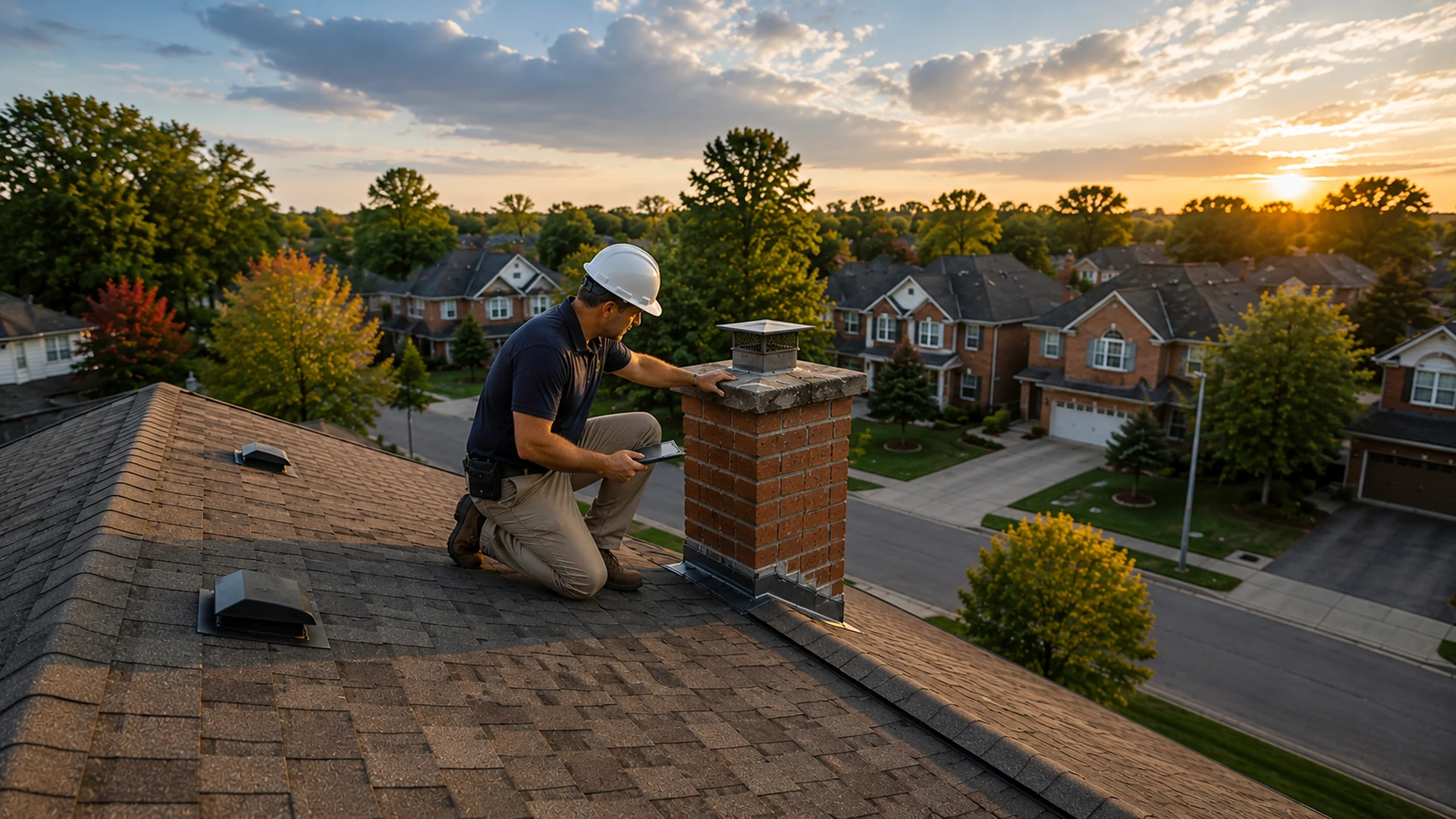
You are not required to attend your home inspection, and plenty of people do not. But the difference between reading a report and standing in the room while someone explains what they are looking at is larger than most buyers expect.
What attending actually gets you
Three things, and only one of them is in the report.
- Proportion. A photograph of a crack does not tell you whether the inspector paused at it for thirty seconds or twenty minutes. Being there tells you what concerned them and what did not.
- Orientation. Where the main water shut-off is, which breaker does what, how the furnace filter comes out. You will want this in your first week, and it takes two minutes on the day.
- The questions you did not know to ask. Reports answer what was found. Conversations answer what you are actually worried about.
If you cannot stay for the whole thing
Arrive for the last hour. By then the inspection is largely done, and the walk-through of findings is the part with the highest value per minute. Most buyers who attend do exactly this.
Come at the end rather than the beginning. Early on there is nothing to discuss yet; at the end there is a findings list to walk through in the actual rooms.
What to ask while you are there
Useful questions are specific and about consequence, not blame:
- Which of these would you deal with in the first year, and which can wait?
- Is this a maintenance item or a symptom of something larger?
- What could not be inspected today, and what would it take to see it?
- If this were your purchase, what would you want a specialist to look at?
What not to do
Do not bring the seller or the listing agent into the walk-through if you can avoid it. The conversation changes when the person who owns the house is standing there, and you want the unedited version. And do not treat the inspector as a negotiator — their job is to describe condition accurately, not to build you a case.
What to bring, and what to wear
Very little. A phone for photographs and notes, and shoes you do not mind getting dirty — you may end up in a basement, a crawl space entrance or an unfinished area. If you have the listing, the survey, or anything the seller has disclosed, bring it; context about past work is genuinely useful to the person assessing the building.
What not to bring is a fixed conclusion. Buyers who arrive certain the house is perfect, or certain it is a disaster, tend to hear only the half of the findings that agrees with them.
Bringing a contractor or a family member
One extra person is usually fine and often helpful, particularly someone who has owned a few houses. A group is not: the inspection slows down, the conversation fragments, and the person doing the work ends up managing an audience instead of examining a building.
If you want a trade to price something, that is a separate visit after the report exists. Trying to combine the two rarely serves either purpose well.
Managing the emotional part
This is the practical difficulty with attending, and it is worth naming. You are standing in a house you want, listening to a list of what is wrong with it, often with a deadline running. Findings sound worse spoken aloud than they read on paper, because you hear them without the ranking that the report will give them.
The useful discipline is to ask, for each item, whether it is a safety matter, a cost, or maintenance — and to hold off on decisions until you have the written report in front of you. The walk-through is for understanding. The decision comes later, with the document and a quote or two.
If you genuinely cannot attend
It is not a disaster. Ask for the report, read it properly, and then telephone with your questions rather than emailing them. Ten minutes on the phone will resolve more than a long exchange of messages, and it is the closest substitute for having been in the room.
Booking an inspection in the Greater Toronto Area, or want this discussed against your own property?